Featured
Table of Contents
Your company can develop new earnings streams and organization opportunities by exposing APIs to external developers and partners. API-first style typically minimizes advancement and upkeep expenses by promoting reusability, modular architecture, and improved cooperation.
This minimizes potential security vulnerabilities by utilizing APIs as a distinct interface for accessing information and services. By carrying out API-first style, your company can provide a more constant and trusted consumer experience throughout different channels and touchpoints. API-first style isn't a once-and-done type of effort. You require to get everybody from your senior software engineers (that will not be a hard sell) to your business partners on board with a brand-new method.
Here's a list of standard actions to begin. Educate your advancement and organization groups on the principles and benefits of API-first style. This is important to foster a shared understanding and commitment to the method. Utilize tools and technologies that support API-first style. Lean into API specification languages (e.g.
Choosing the Right CMS for Growth
Develop organizational API standards and guidelines that lay out best practices for designing, recording, testing, and managing APIs. This assists make sure consistency and quality throughout all of your APIs. Assist in collaboration between advancement groups throughout the style stage and the whole API lifecycle. Encourage sharing understanding, feedback, and lessons discovered to promote continuous enhancement.

You may not have a group who can change your entire company over to an API-first way of developing, building, and preserving software application. And it could take 6-18 months (or longer) to work with an internal team that's ready to dive into APIs. Not a problem. That's why Codingscape exists we can assist you begin with API-first style and develop software with you by next quarter.
Zappos, Twilio, and Veho are simply a few business that trust us to construct software. You can set up a time to talk with us here. No trouble, no expectations, just answers.
How API-First Architecture Benefits Modern Systems
As organizations shift towards more integrated and nimble practices, one approach has actually emerged as a key enabler of success: API-First Advancement. This strategic method prioritizes the style and advancement of application programs interfaces (APIs) before any other aspect of software development. By placing the API at the forefront, organizations can improve collaboration amongst development teams, enhance user experiences, and create far more reputable and scalable software application architectures.
Think about a popular e-commerce platform that experiences an unexpected rise in traffic during the vacation season sale. With countless users searching and purchasing products at the exact same time, the platform required to have a robust backend that might handle the load without any hiccups. This is where API-First Development enters play.
With well-structured APIs, each service can operate independently while staying interconnected, permitting for simpler updates, upkeep, and scalability. Not just this however when the holiday rush hits, this business can scale specific services such as payment entrances, inventory systems, and so on.
This flexibility assists make sure a smooth and continuous shopping experience for consumers, even during peak need. Furthermore, the capability to incorporate third-party services and systems with minimal disturbance enables the business to remain agile in an ever-evolving market. Standard advancement typically follows a monolithic method where the application is constructed as a single, tightly integrated system.
Why Modern CMS Strategies Improve Digital Impact
This decoupled, service-oriented approach assists with higher versatility, scalability, and seamless maintenance. Focus Prioritizes API design before development begins Concentrate on writing application code initially Partnership Enhances partnership among cross-functional groups Might lead to miscommunication in between teams Documentation API documentation is created in advance Documentation might be produced post-development Scalability Promotes modular architecture for much easier scaling Scaling might need substantial refactoring Advancement Speed Accelerates advancement cycles through clear standards Preliminary development might be quicker however can decrease later Flexibility Allows for simple updates and combination with brand-new innovations Modifications to the codebase can be disruptive Evaluating Easier to evaluate APIs independently Checking may require a complete application environment Security Security measures are incorporated into API design Security aspects may be resolved later in the advancement API-first advancement provides various advantages for developers and companies.
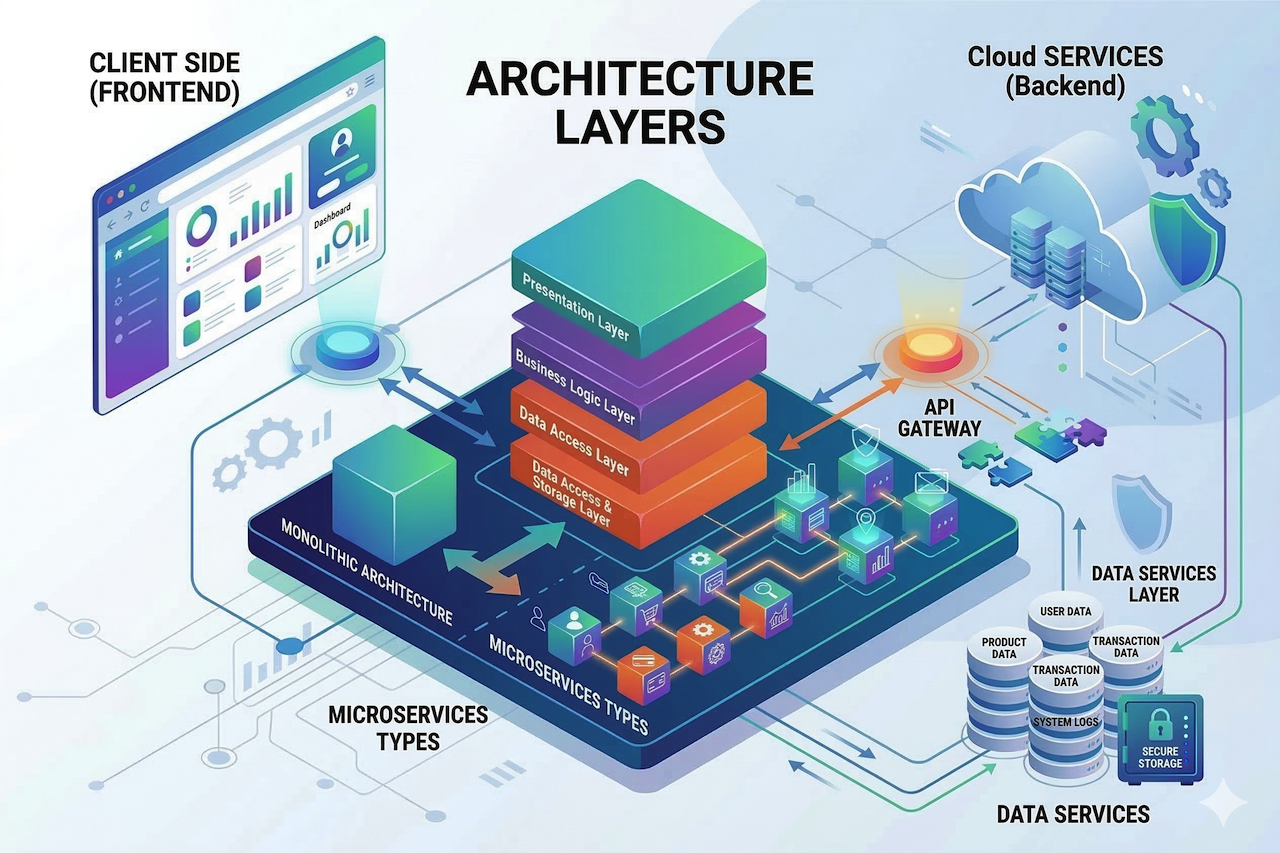
Let's explore a few of them: One of the essential benefits of API-first advancement is the enhanced cooperation it promotes amongst cross-functional teams. By defining the API upfront, all stakeholders - from designers to item supervisors - have a shared understanding of how different elements of the application will connect. This clearness minimizes the possibilities of miscommunication and lines up groups on job goals.
By focusing on the API initially, organizations can significantly shorten their advancement timelines. With a distinct API, developers have a clear blueprint to follow, allowing them to construct applications more rapidly and with fewer modifications.
By treating APIs as independent elements, organizations can quickly include, modify, or replace services without interfering with the whole system. This versatility enables organizations to scale their applications to accommodate increasing user loads or integrate brand-new innovations with minimal friction. As companies grow and progress, their software systems can adjust effortlessly, guaranteeing they remain competitive in a quickly changing landscape.
With clear paperwork, standardized procedures, and specified data structures, designers can quickly understand how to engage with the API. This clearness not only speeds up onboarding for new staff member however also reduces the discovering curve for existing designers when new features are presented. The capability to produce SDKs (Software application Advancement Sets) or libraries around the API can even more streamline combination efforts, making it simpler for developers to develop applications.
Selecting a Right CMS for Success
API-First Development enables organizations to decouple their front-end and back-end, permitting for simpler updates and innovation shifts as new structures or platforms emerge. This separation indicates that services can adapt their interface or incorporate new services without needing to upgrade their entire application. As a result, companies can stay nimble and responsive to new patterns and customer needs, making sure long-term sustainability.
An API-First technique permits organizations to construct security procedures directly into the API style, such as authentication protocols and data recognition rules. By addressing security issues early in the advancement process, services can reduce possible vulnerabilities and adhere to market policies more efficiently. This proactive stance on security not just secures delicate information however likewise builds trust with consumers and partners.
The API functions as a trusted platform for experimentation, enabling teams to explore new features, services, or technologies without the fear of interfering with existing performances. This culture of innovation can cause the development of unique solutions that differentiate a service in the marketplace. API-First Development is not simply an approach; it's a transformative approach that significantly enhances the software advancement process.

Latest Posts
Modern UX Design Trends for Higher Engagement
Will Automated Development Change Frameworks in 2026?
Will AI Transform Traditional Content Tactics?